How to Choose and Design the Right Alcove Bathtub for Your Bathroom
Choosing the right bathtub can transform your bathroom into a comfortable and relaxing retreat. Among the many bathtub styles available today, an alcove bathtub is one of the most practical choices for homeowners who want to make efficient use of their bathroom space. An alcove tub is designed to fit into a three-sided enclosure, creating a clean, built-in appearance while providing a comfortable bathing experience.
Whether you are remodeling a small bathroom, designing a family bathroom, or creating a modern master bathroom, choosing the right alcove bathtub requires careful consideration of size, shape, material, installation, functionality, and overall bathroom layout.
This guide explains what to look for when choosing an alcove bathtub and offers practical bathtub design ideas to help you create a bathroom that is both comfortable and functional.
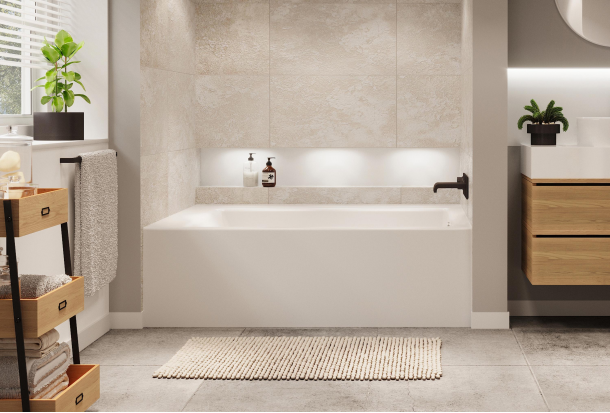
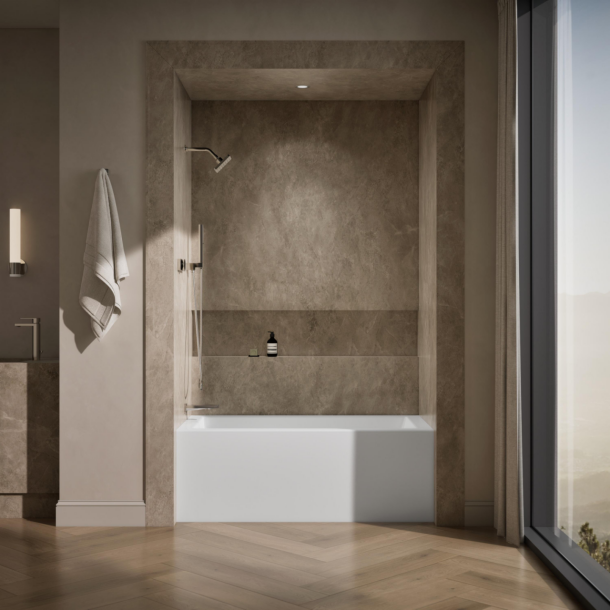
What Is an Alcove Bathtub?
An alcove bathtub is a specialized sanitary fixture engineered for three-sided wall installation, perfectly fitting standard bathroom recess layouts. Unlike bulky freestanding bathtubs that occupy significant floor space, wall-mounted alcove tubs feature a streamlined embedded structure that simplifies bathroom planning and daily maintenance.
The biggest advantage of an alcove bathtub shower combo is its dual functionality. It integrates independent soaking space and daily shower functions in one compact zone, which is ideal for family homes, apartment renovations, and hospitality bathroom projects.
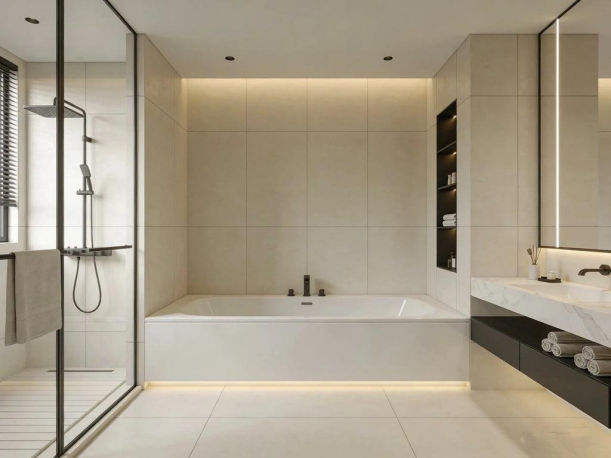
One of the biggest advantages of an alcove bathtub is its versatility. It can provide a dedicated bathing area without requiring as much open floor space as a freestanding tub.
Available in standard sizes such as60x30 alcove bathtub and 60x33 alcove bathtub, modern alcove tubs support both left-hand drain and right-hand drain configurations to match diverse plumbing layouts.
How to Choose the Right Bathtub Size
Size matching is the foundation of a successful alcove bathtub installation. Before purchasing any standard alcove tub, accurately measure the length, width, and height of the recessed installation area, while reserving reasonable space for bathroom doors, vanities, toilets, and other surrounding fixtures.
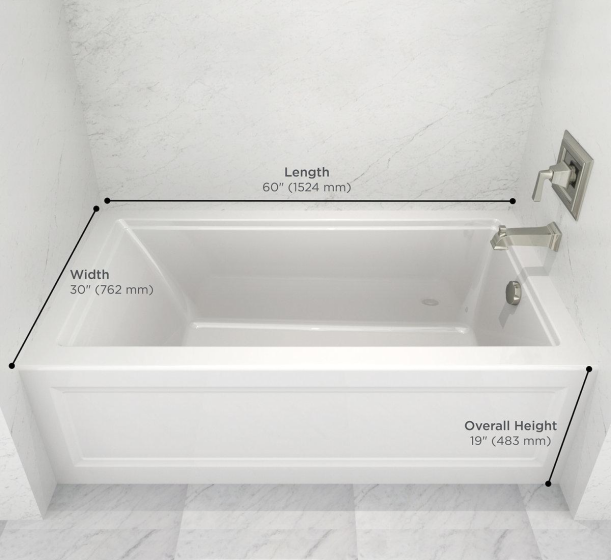
Compact alcove bathtubs are perfect for tiny bathrooms and narrow layouts, while deeper, larger deep soaking alcove bathtubs provide premium relaxation experience for spacious master bathrooms. When comparing products, do not only refer to external dimensions — always check the internal bathing depth and effective soaking area, as different brands offer vastly different internal space even with identical outer sizes.
Professional manufacturers exhibiting at the 45th Foshan CeramBath provide customizable size solutions and standardized mainstream size bathtubs, covering all mainstream specifications for global residential and commercial renovation standards.
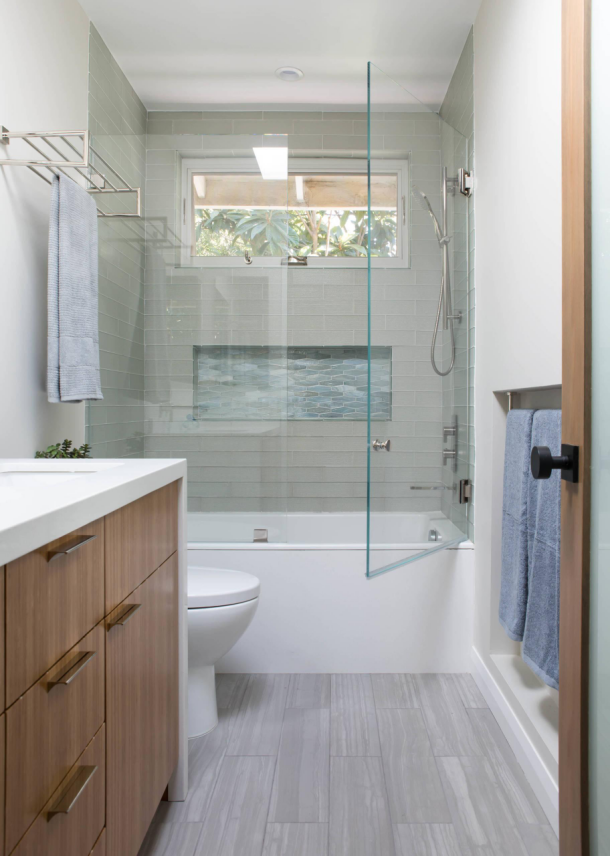
Consider the Bathtub Shape and Interior Design
The shape of an alcove bathtub affects both its appearance and comfort.
A traditional rectangular bathtub is one of the most popular options because it fits naturally into a three-wall alcove. Its straightforward shape also makes it easy to combine with a shower.
For a more comfortable bathing experience, consider the shape of the interior. Some bathtubs feature sloped backs that allow you to recline while bathing. Others have wider bathing wells or integrated armrests for additional comfort.
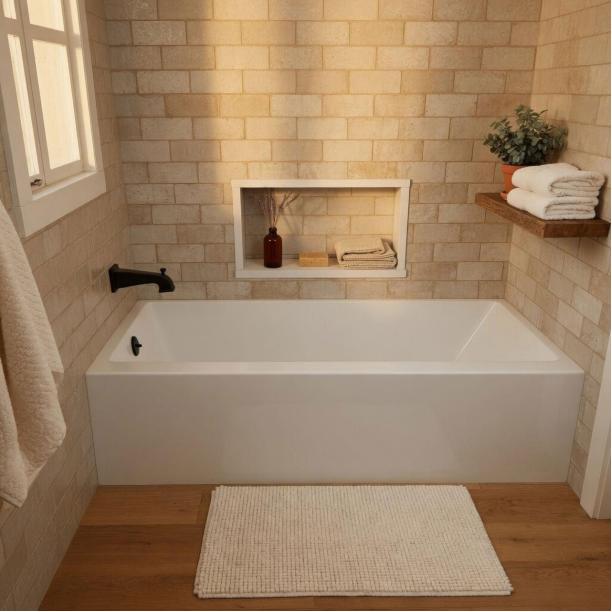
When comparing different bathtub designs, sit in the tub if possible. Pay attention to the angle of the backrest, the position of the drain, the width of the bathing area, and the available legroom.
A bathtub may look beautiful in a showroom but still feel uncomfortable if its interior dimensions do not suit you.
Choose the Right Bathtub Material
The material of a bathtub affects its appearance, durability, weight, heat retention, and maintenance requirements.
Acrylic bathtubs are popular because they are relatively lightweight, easy to maintain, and available in a wide range of designs. Acrylic can also provide a smooth, comfortable surface for everyday bathing.
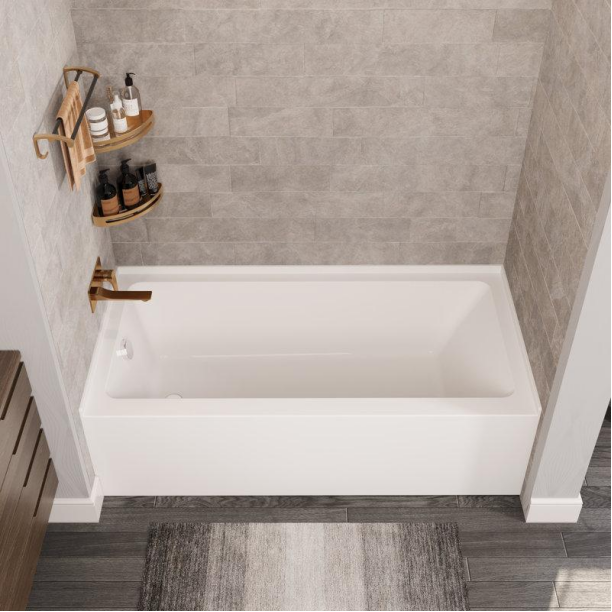
Enamel-coated steel bathtubs offer a solid feel and durable surface. They are often associated with traditional bathtub designs and can be a good option for homeowners who prefer a classic appearance.
Cast iron bathtubs are extremely durable and have excellent heat-retention properties, although they are significantly heavier and may require additional structural considerations during installation.
When selecting a bathtub material, consider not only the appearance but also the installation requirements, maintenance needs, and long-term use of the bathroom.
Decide Between a Bathtub and an Alcove Tub Shower Combination
One of the most important design decisions is whether your alcove bathtub will be used exclusively for bathing or combined with a shower.
An alcove tub shower combination is a practical choice when you want both bathing and showering functions in one area. It can be especially useful in family bathrooms where different household members have different preferences.
If bathing is your main priority, you can focus on a deeper tub with a comfortable backrest and generous interior space.
If the bathtub will also function as a shower, consider the position of the shower controls, showerhead, bathtub enclosure, and entry area during the planning stage.
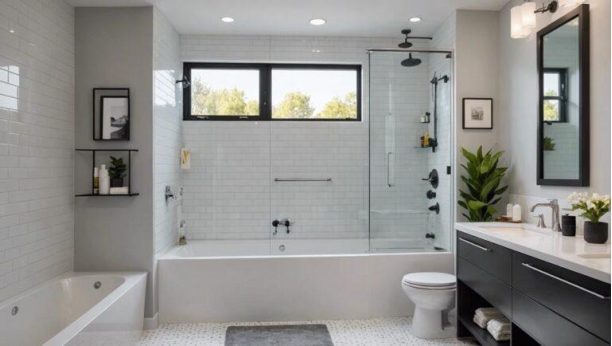
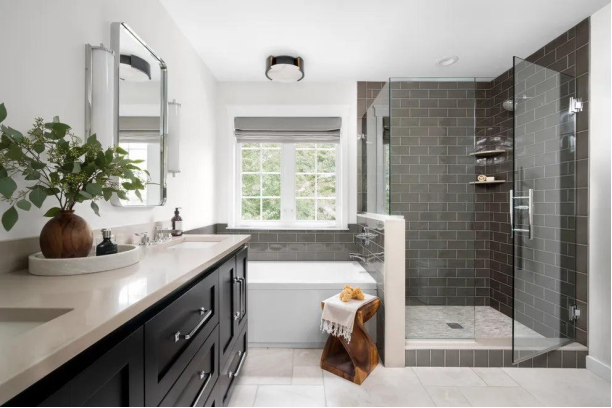
Think About Bathtub Installation Requirements
Before purchasing an alcove bathtub, make sure the selected model is compatible with your bathroom layout and installation conditions.
Check the location of the drain and water supply connections. Depending on the bathtub design, plumbing may need to be positioned in a specific location.
The floor should also be capable of supporting the bathtub and the weight of the water and occupants. This is particularly important when choosing a heavy bathtub material.
Another consideration is access for future maintenance. Plumbing connections and other components should remain reasonably accessible after the bathtub installation is complete.
Planning these details before installation can help avoid costly modifications later.
Choose a Bathtub That Fits Your Lifestyle
The best alcove bathtub is not the most expensive one but the one that matches your lifestyle and bathroom layout. Families with children prioritize anti-slip surfaces and moderate depth; bath lovers focus on deep soaking and ergonomic support; small-space households choose compact embedded models; and commercial projects pursue uniform style, durability, and cost performance.
As a core exhibition for global bathroom product sourcing, the 45th Foshan CeramBath aggregates countless tailored bathroom bathtub solutions for home renovation, hotel engineering, villa customization, and commercial space projects, catering to diversified global design and procurement needs.

Consider Bathtub Features and Accessories
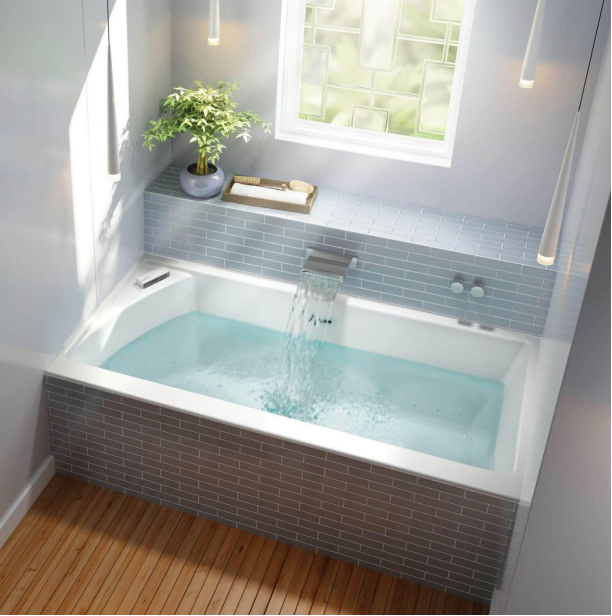
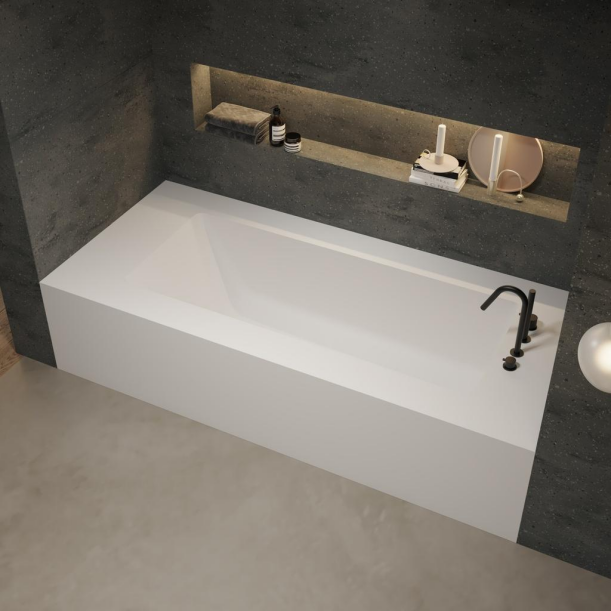
Modern bathtubs can include a variety of features designed to improve comfort and convenience.
Integrated armrests, ergonomic backrests, adjustable headrests, built-in handles, and slip-resistant surfaces can make everyday bathing more comfortable.
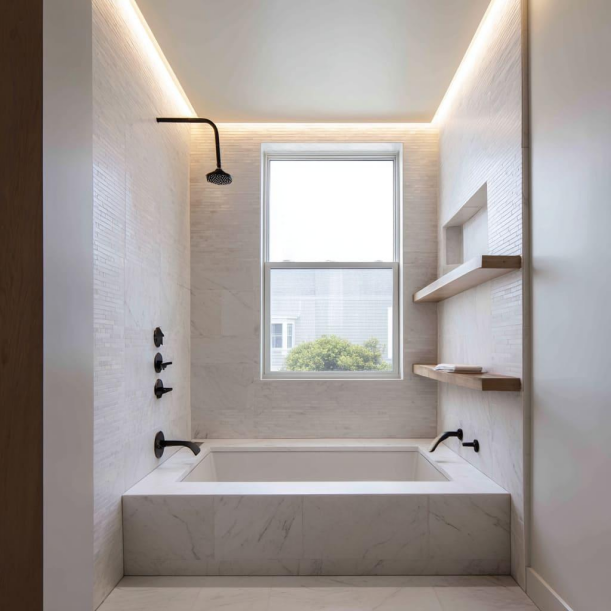
You should also consider the bathtub faucet and drain configuration. Wall-mounted, deck-mounted, and floor-mounted faucet arrangements can create very different visual effects.
For an alcove tub shower combination, the shower system should be selected together with the bathtub to ensure that the controls, shower head, and enclosure work well within the available space.
Keep the design practical rather than choosing features simply because they look attractive. The best bathtub features are those that you will actually use.
Final Tips for Choosing the Perfect Alcove Bathtub
Choosing the right alcove bathtub is about much more than appearance. The ideal bathtub should match your bathroom size, installation conditions, lifestyle, comfort preferences, and long-term needs.
Before purchasing an alcove tub, carefully check the bathtub dimensions, interior bathing space, material, soaking depth, drain location, installation requirements, and available features. If you are planning an alcove tub shower combination, make sure the bathtub and shower configuration are considered together.
A well-chosen alcove bathtub can maximize bathroom space while providing a comfortable and stylish place to relax. Whether you prefer a compact bathtub for a small bathroom, a deep soaking tub for relaxation, or a practical bathtub shower combination for a family bathroom, taking time to compare different bathtub designs will help you find the right solution.
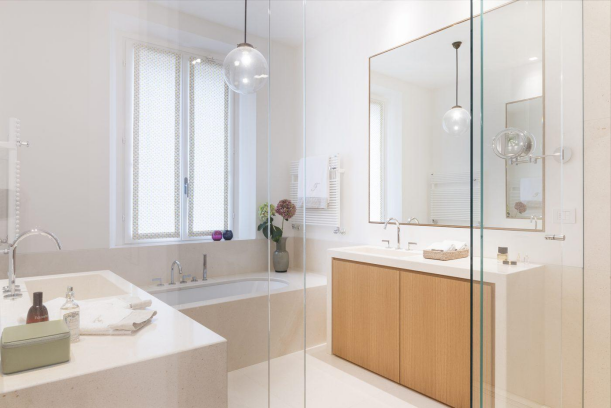
Ultimately, the best alcove bathtub is one that combines comfort, functionality, durability, and design. With careful planning and the right bathtub selection, you can create a bathroom that is practical for everyday use and enjoyable for years to come.


